Skip to content
I. Process
1. Washing the Car
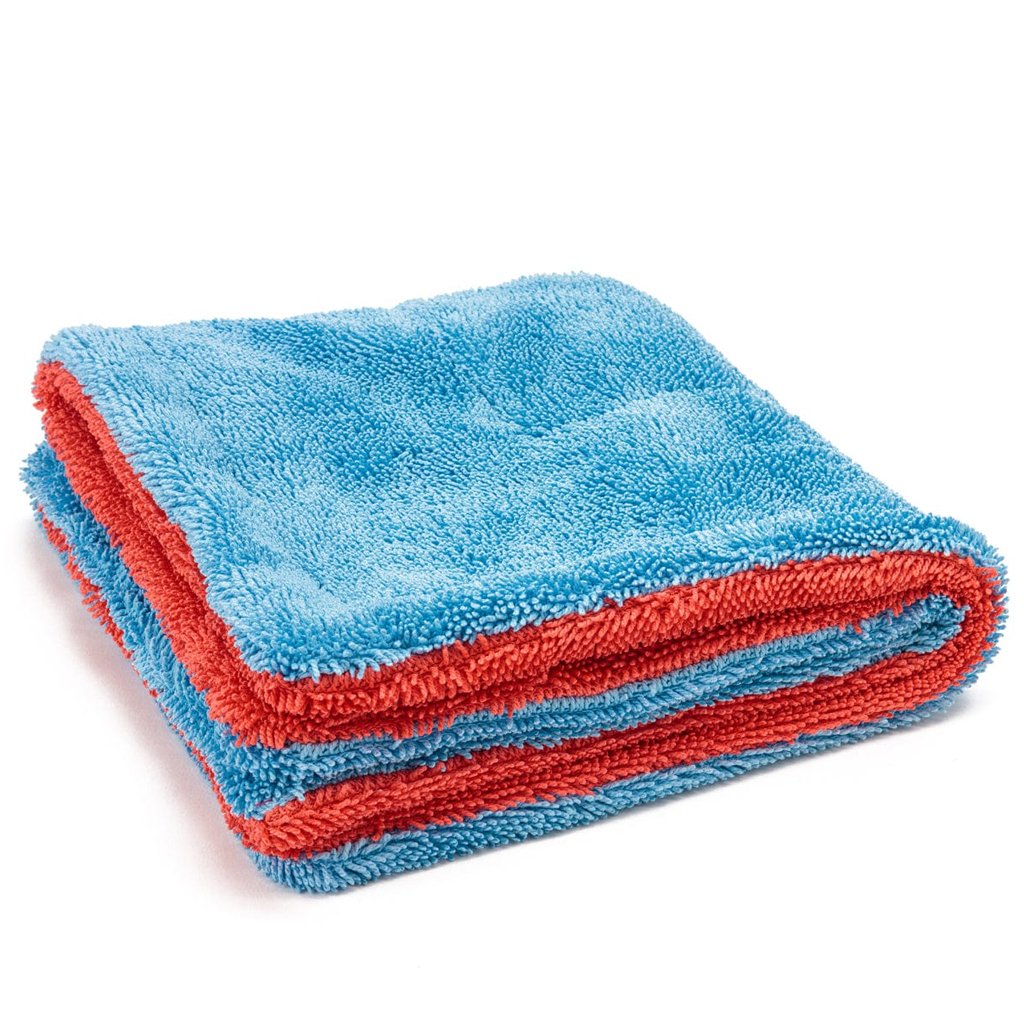
Use a professional car wash solution with a soft sponge or towel to clean the car thoroughly. Wash in a top-to-bottom, front-to-back sequence to ensure that dust, mud, and dirt are completely removed. After washing, dry the car using a clean towel or a high-pressure air gun to prevent water spots.
2. Evaluating Paint Condition and Removing Oxidation
Carefully inspect the car’s paint surface to assess its condition and oxidation level. For oxidized paint, use clay bars, clay cloths, or clay pads to remove the oxidation layer. Pair the clay bar with a lubricant and gently wipe the paint surface with moderate and even pressure. Continuously apply lubricant during the process to avoid scratching the paint.
After completing this step, re-evaluate the paint. If there are fine scratches, uneven color, or dullness, consider using a paint restorer to restore the paint’s gloss and smoothness. Follow the product instructions carefully to control the amount and technique, as overuse may damage the paint.
3. Preparing for Waxing
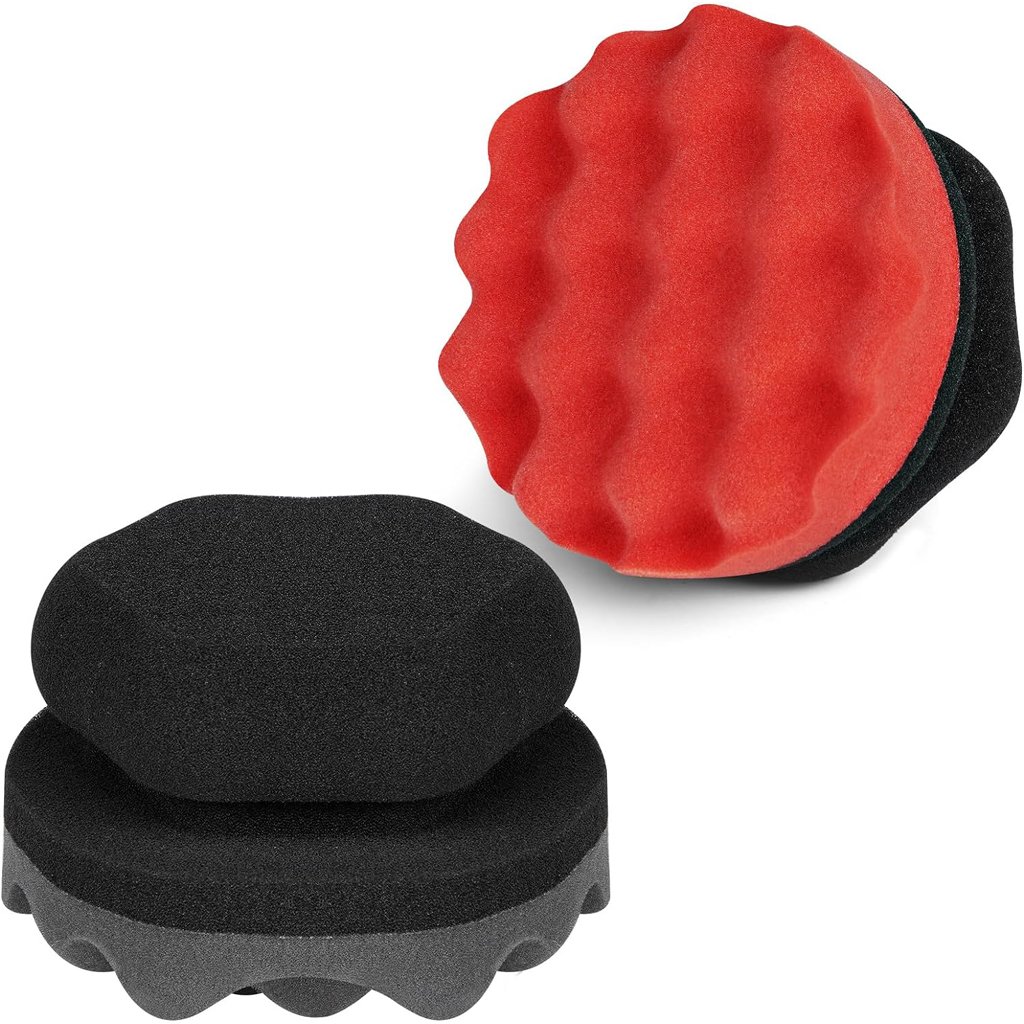
Choose an appropriate car wax based on the type of paint and the environment where the car is used. Gather necessary tools such as a waxing sponge and clean towels. Perform the waxing in a suitable environment—ideally at temperatures between 5°C and 35°C and out of direct sunlight—to prevent the wax from drying too quickly or being affected by high temperatures.
4. Applying Wax
Apply a small amount of wax evenly onto the waxing sponge. Use straight-line or circular motions to spread the wax evenly across the car’s paint surface. Work on small areas at a time to ensure an even coat with a moderate thickness. Pay special attention to edges, gaps, and hard-to-reach areas to ensure these sections are well protected.
5. Buffing
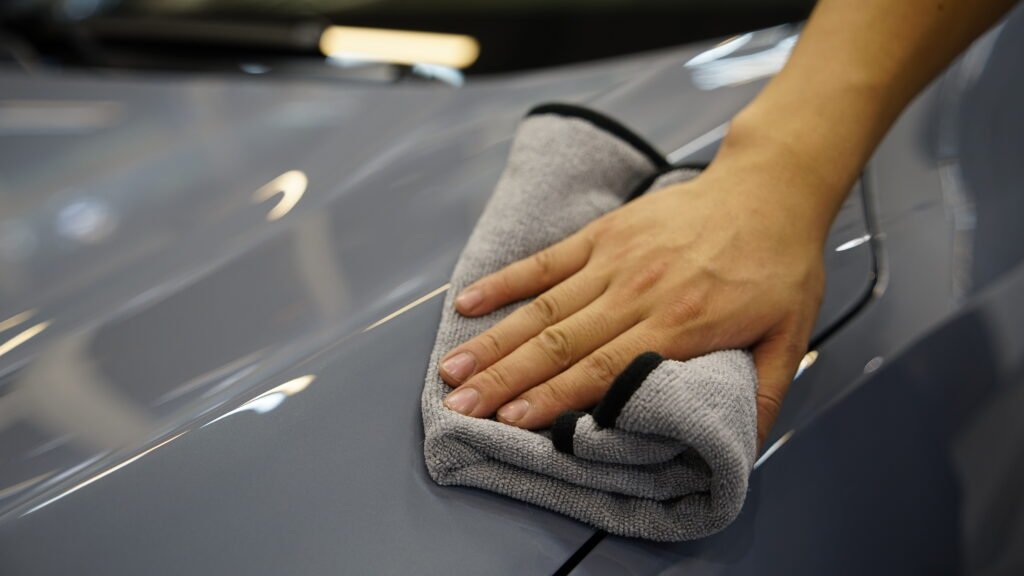
After applying the wax, let it sit for a few minutes as specified in the wax product instructions. Once the wax has slightly dried, use a clean and soft towel to gently buff the surface, removing excess wax. This will leave behind a smooth, glossy protective layer on the paint. Use consistent pressure during buffing to avoid leaving streaks or marks.
II. Precautions
- Wax New Cars Promptly
Waxing a new car as soon as possible provides effective protection against environmental elements and ensures proper maintenance of the paint. - Remove Stubborn Stains Before Waxing
If there are stubborn stains like tar or tree sap on the car, clean them off using a specialized cleaner before waxing. This prevents damage to the paint and improves the waxing effect. - Choose High-Quality Wax
Use reliable and reputable wax products. Low-quality wax may contain corrosive ingredients that can harm the paint, causing discoloration or loss of gloss. - Protect Plastic and Rubber Components
If wax accidentally gets on plastic or rubber parts, wipe it off immediately with a clean towel to avoid discoloration or corrosion of these materials.
By following these steps and precautions, you can ensure a flawless waxing process and effectively protect your car's paint, maintaining its shine and durability for years to come.