Skip to content
Winter brings harsh weather conditions that can significantly affect your car’s performance and appearance. Proper maintenance during this season not only ensures the vehicle’s safety and functionality but also protects it from long-term damage caused by snow, ice, and road salt. Here are the essential tips for winter car care in auto detailing.

I. Exterior Maintenance
1. Wash the Car Regularly
- Why It’s Important: Road salt, dirt, and grime can corrode the car’s paint and metal components.
- Tips:
- Wash the car frequently, especially after driving on salted roads.
- Use a pH-neutral car shampoo and focus on the undercarriage, wheel wells, and lower panels.
- Dry the car thoroughly to prevent water spots or freezing.
2. Apply Wax or Sealant
- Why It’s Important: Wax or paint sealants provide a protective barrier against snow, salt, and road debris.
- Tips:
- Apply a high-quality synthetic wax or ceramic coating before winter begins.
- Focus on vulnerable areas like the hood, roof, and front bumper.
3. Protect Wheels and Tires
- Wheel Care: Apply a wheel sealant or ceramic coating to prevent brake dust and road salt buildup.
- Tire Dressing: Use a water-based tire dressing to prevent cracking and maintain elasticity.
4. Maintain Windshield and Wipers
- Replace worn wiper blades to ensure clear visibility during snow and rain.
- Use a winter-grade windshield washer fluid with antifreeze properties to prevent freezing.

II. Interior Maintenance
1. Protect Floor Mats
- Use all-weather rubber floor mats to prevent moisture, mud, and salt from damaging the carpets.
- Remove and clean the mats regularly to prevent odor and mildew.
2. Dehumidify the Cabin
- Use silica gel packs or a car dehumidifier to reduce moisture and prevent fogging or mold growth.
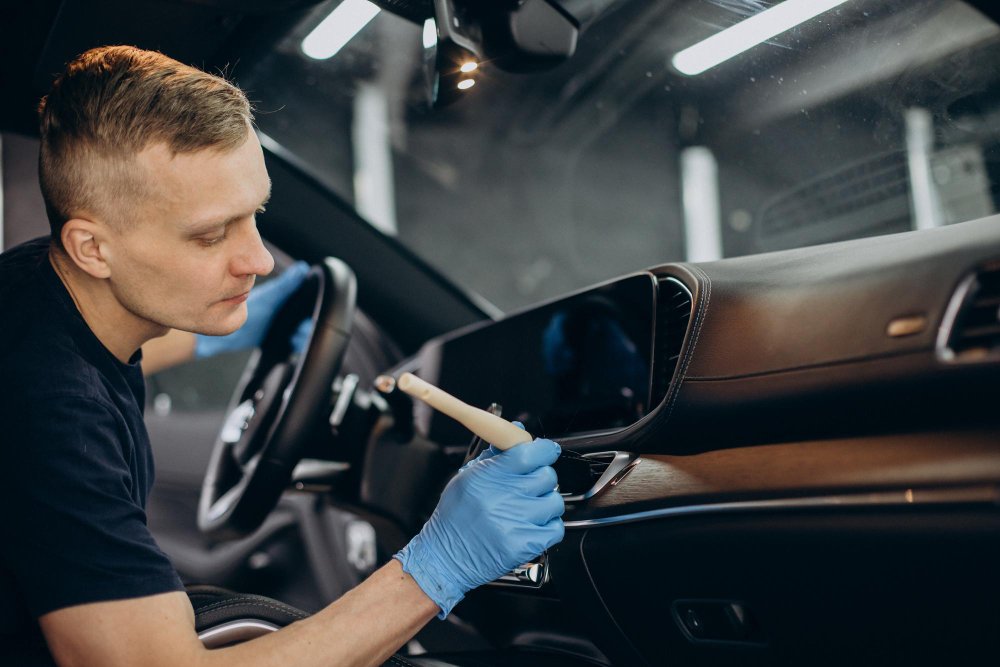
3. Clean and Condition Leather
- Winter cold can dry out and crack leather surfaces.
- Apply a leather conditioner to seats and trim to maintain their suppleness and protect against the cold.
III. Engine and Mechanical Care
1. Check the Battery
- Cold temperatures can drain the car battery more quickly.
- Inspect the battery terminals for corrosion and ensure it is fully charged.
2. Inspect and Maintain Fluids
- Antifreeze: Ensure the coolant mixture is appropriate for winter conditions (usually 50% water and 50% antifreeze).
- Oil: Switch to winter-grade oil if recommended by your car’s manufacturer.
- Brake Fluid: Check for contamination and top up if necessary.
3. Monitor Tire Pressure
- Cold weather can cause tire pressure to drop, reducing traction and fuel efficiency.
- Check tire pressure weekly and maintain it at the manufacturer’s recommended levels.
4. Use Winter Tires
- Install winter tires with deeper treads for better grip on icy or snowy roads.
- Ensure tires are properly aligned and balanced.
IV. Additional Tips
1. Protect Against Freezing
- Door Seals: Apply a silicone-based protectant to prevent rubber seals from freezing and sticking.
- Locks: Use a lock lubricant to prevent freezing.
2. Keep Essential Supplies in the Car
- Emergency kit including a blanket, flashlight, ice scraper, and gloves.
- De-icer spray for quick removal of frost and ice from windows and locks.
3. Use a Car Cover or Garage
- Parking in a covered space or using a car cover reduces exposure to snow, ice, and frost.
4. Inspect the Exhaust System
- Ensure the exhaust system is free of blockages to prevent dangerous carbon monoxide buildup when idling.
V. Common Mistakes to Avoid
- Neglecting Undercarriage Cleaning
- Road salt accumulates under the car and can cause rust if not cleaned regularly.
- Using Hot Water to Defrost Windows
- Rapid temperature changes can crack the glass. Use an ice scraper or defroster instead.
- Skipping Protective Coatings
- Without a protective layer, snow, salt, and grime can degrade the paint and clear coat.
- Ignoring Warning Lights
- Pay attention to dashboard alerts, especially for the battery, tire pressure, or engine.
- Overlooking Weather-Specific Products
- Using summer windshield washer fluid or oil can lead to freezing and engine issues.
Conclusion
Proper winter car care ensures your vehicle remains safe, functional, and visually appealing during harsh weather conditions. By following these guidelines for exterior protection, interior maintenance, and mechanical care, you can minimize damage and keep your car in optimal condition throughout the season. Regular upkeep not only improves performance but also preserves the car’s value and appearance.