Skip to content
Proper maintenance of car glass is critical for visibility, safety, and aesthetics. Regular care helps prevent streaks, scratches, water spots, and damage caused by environmental factors. Below are the essential points to consider for maintaining car glass effectively in automotive detailing.

I. General Cleaning Tips
1. Use the Right Cleaning Products
- Ammonia-Free Cleaners: Ensure the glass cleaner is ammonia-free to avoid damaging tinted windows or rubber seals.
- Dedicated Glass Cleaners: Choose products formulated specifically for automotive glass to prevent streaks and ensure a crystal-clear finish.
2. Choose Proper Tools
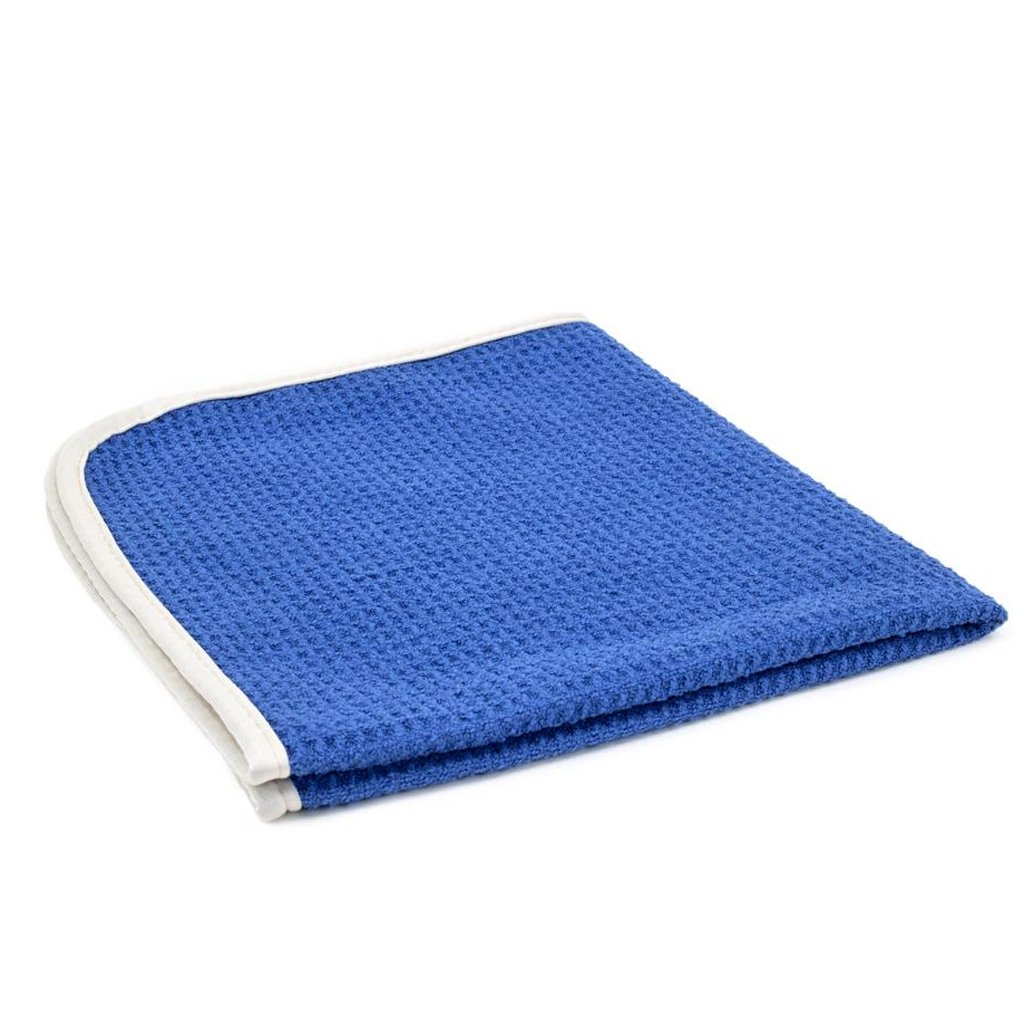
- Use microfiber towels to clean and dry the glass without leaving lint or scratches.
- For hard-to-reach corners, use a triangular glass tool or a small detailing brush.
3. Work in a Controlled Environment
- Perform glass maintenance in a shaded or indoor area to prevent the cleaner from drying too quickly, which can leave streaks or residue.

II. Cleaning Process
1. Clean the Exterior Glass
- Start with the exterior to remove dirt, dust, and debris.
- Wash the glass during the car wash process, focusing on removing tough contaminants like bird droppings, bug splatter, and road grime.
- Rinse thoroughly and dry with a clean microfiber towel.
2. Clean the Interior Glass
- Spray the cleaner lightly onto a microfiber towel (not directly onto the glass) to avoid dripping onto the dashboard or interior materials.
- Wipe in straight, overlapping motions for an even and streak-free finish.
- Pay attention to high-touch areas, such as the rearview mirror and side window edges.
3. Focus on Problem Areas
- Water Spots: Use a water spot remover or a vinegar-water solution to dissolve mineral deposits.
- Bug and Tar Residue: Apply a bug remover or tar cleaner to stubborn spots, letting it sit briefly before wiping away.
III. Protective Measures
1. Apply Glass Sealant or Coating
- Why Use It: Sealants create a hydrophobic layer that repels water, dirt, and debris, improving visibility in rainy conditions.
- How to Apply:
- Clean the glass thoroughly before applying.
- Spread the sealant evenly with an applicator and allow it to cure as per the product instructions.
2. Protect Wipers and Glass Edges
- Wiper Care: Clean wiper blades regularly with a damp cloth to prevent them from smearing dirt onto the windshield.
- Replace worn or cracked blades promptly.
- Seal Protection: Apply a rubber protectant to the seals around windows to keep them flexible and prevent cracking.
IV. Dealing with Scratches and Chips
1. Light Scratches
- Polish minor scratches with a glass polishing compound or kit.
- Use a rotary tool or polisher for deeper marks, but avoid over-polishing, which can thin the glass.
2. Chips and Cracks
- Address chips or cracks immediately with a DIY repair kit or professional service to prevent further damage.
- Ensure cracks are repaired before extreme temperature changes, as heat or cold can worsen the damage.
V. Seasonal Considerations
1. Summer Maintenance
- Use sunshades to prevent excessive heat buildup and protect the interior from UV rays.
- Regularly clean glass to remove dust, pollen, and sap that accumulate during hot weather.
2. Winter Maintenance
- Use a winter-grade windshield washer fluid with antifreeze properties to prevent freezing.
- De-ice the glass carefully using a plastic scraper, avoiding metal tools that can scratch the surface.
VI. Common Mistakes to Avoid
- Using Household Glass Cleaners: Products containing ammonia can damage tinted windows and rubber seals.
- Cleaning in Direct Sunlight: Heat can cause the cleaner to dry too quickly, leaving streaks or residue.
- Skipping Edge Cleaning: Dirt and debris often accumulate along the edges of windows and should not be overlooked.
- Over-Saturating the Glass: Too much cleaner can drip onto interior materials, causing stains or damage.
- Using Harsh Tools: Avoid abrasive brushes or sponges that can scratch the glass surface.
VII. Maintenance Tips
- Regular Cleaning Schedule
- Clean the glass weekly to maintain optimal visibility and prevent buildup.
- Keep a Glass Cleaner Handy
- Carry a small bottle of glass cleaner and microfiber cloth for quick touch-ups.
- Inspect for Damage Frequently
- Check for chips, cracks, or scratches regularly, especially after driving on gravel roads or highways.
- Replace Wiper Blades Annually
- New blades ensure streak-free performance and help prevent damage to the windshield.
Conclusion
Proper glass maintenance is essential for safety, visibility, and the overall appearance of your vehicle. By using the right products and techniques, applying protective coatings, and addressing damage promptly, you can keep your car’s glass in pristine condition year-round. Regular care ensures a clearer, safer, and more enjoyable driving experience.