Skip to content
Is your car's glossy finish losing its shine under the harsh summer sun? Ignoring this can lead to permanent fading and costly damage. I'll show you simple ways to keep it pristine.
Maintain your car's paint in summer by washing it regularly to remove harmful contaminants. Apply a quality wax or sealant for UV protection, and park in the shade or use a car cover whenever possible.
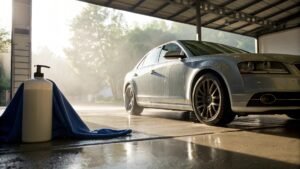
Keeping that paint looking factory-fresh when the temperature soars involves a bit of routine care. It might seem like a chore, but it's crucial for protecting your investment. Let me walk you through the specific steps I've found effective over the years, helping protect not just my cars, but also valuable equipment sensitive to environmental factors.
How can I protect my car paint in the summer?
Worried about sun damage, baked-on bugs, and bird droppings ruining your car's look? Protecting it might seem complicated. But there are straightforward, effective methods you can use right away.
Protect your paint by washing weekly with proper technique. Apply a protective layer like wax, sealant, or ceramic coating. Park strategically in the shade or use a breathable car cover to minimize direct sun exposure.
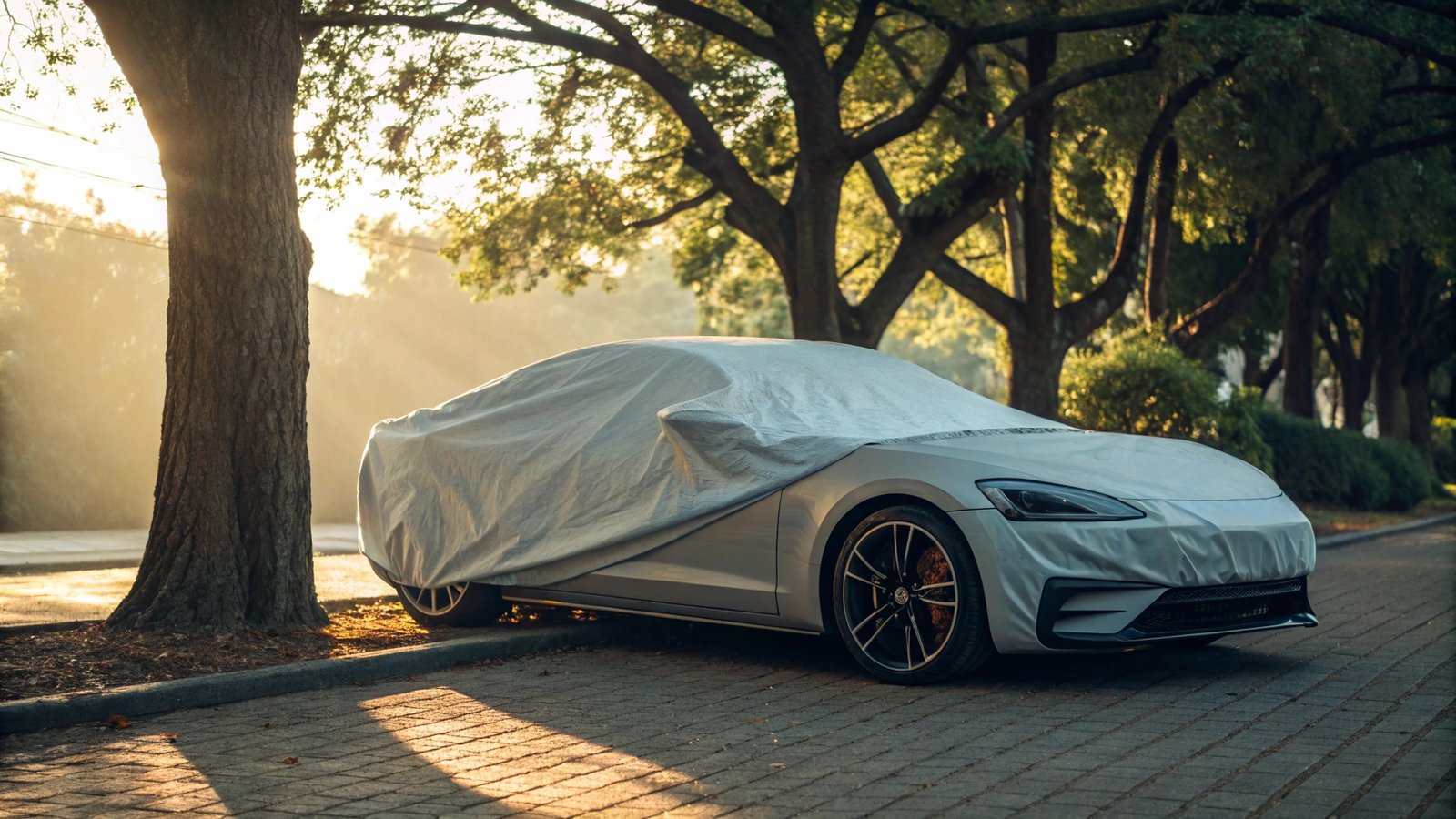
Dive Deeper into Summer Protection Tactics
Protecting your car paint effectively in summer involves a multi-pronged approach. It’s not just one action, but a combination of regular cleaning and proactive shielding against the elements. Think of it like protecting a precision mold surface – contamination and environmental factors can cause serious issues if not managed.
Consistent Washing is Key
Summer brings intense sun, bugs, bird droppings, dust, and pollen. These don't just make your car look dirty; they actively harm the paint when baked on by heat. Wash your car frequently, ideally weekly. Use the two-bucket wash method (one for soapy water, one for rinsing the mitt) to avoid grinding dirt back into the paintwork. Always use a pH-neutral car shampoo designed specifically for vehicles, as household detergents strip protective layers. Wash in the shade or during cooler parts of the day to prevent soap drying on the surface. Drying thoroughly with clean microfiber towels prevents water spots, which can also etch the paint in strong sun. [I learned the importance of pH-neutral soap the hard way on some equipment coatings years ago].
Choosing Your Protective Layer
Washing cleans, but protection shields. You need a barrier against UV rays and contaminants.
- Wax1: Often carnauba-based, provides a deep, warm shine. Offers good protection but typically lasts only 4-8 weeks. Requires frequent reapplication.
- Paint Sealant2: Synthetic polymers that bond chemically to the paint. Offer longer-lasting protection (4-6 months or more) and a slick, reflective shine. Easier to apply than some waxes.
- Ceramic Coating3: A liquid polymer (often silica-based, like SiO2) that cures to form a hard, durable, glass-like layer. Offers years of protection, excellent resistance to UV, chemicals, and etching, plus strong water repellency (hydrophobicity). More expensive and requires careful prep and application, but offers the best long-term defense.
| Protection Type | Durability | Key Benefit | Effort Level |
|---|---|---|---|
| Wax | Weeks | Deep Shine | Moderate |
| Sealant | Months | Good Durability & Shine | Low-Moderate |
| Ceramic Coating | Years | Best Protection & Longevity | High |
Your choice depends on budget, time commitment, and desired protection level. For someone like Jacky, focused on longevity and performance, a sealant or ceramic coating might be the most practical choice.
Is hot weather bad for car paint?
Do high temperatures and relentless sunshine actually harm your car's finish? Ignoring the heat can lead to irreversible damage like fading and cracking. Understanding the risks shows why protection matters.
Yes, hot weather significantly damages car paint. Intense UV radiation breaks down paint layers, causing fading and oxidation. Extreme heat causes expansion and contraction, potentially leading to cracks over time.

Dive Deeper into How Heat Hurts Paint
Summer heat attacks your car's paintwork in ways that go beyond just making it hot to the touch. These effects accumulate over time, degrading the finish. It's similar to how temperature cycles can affect the tolerances and longevity of engineered parts.
The UV Radiation Assault
The sun emits powerful ultraviolet (UV) rays. These invisible rays are the primary cause of paint oxidation4 and fading. Your car's paint has multiple layers, typically a primer, a color coat, and a clear coat on top. The clear coat provides gloss and protects the underlying color from the elements, especially UV. Constant UV exposure5 breaks down the chemical bonds in the clear coat, causing it to lose clarity, become brittle, and eventually fail. Once the clear coat is compromised, the color coat beneath is exposed and starts to fade rapidly. Darker colored cars absorb more heat and UV, often showing damage sooner.
Thermal Stress and Expansion
Materials expand when heated and contract when cooled. Your car's body panels (metal or plastic) and the paint layers on top expand and contract at different rates in response to temperature changes. The intense heat of a summer day followed by cooler nights creates significant thermal cycling6. This repeated stress weakens the paint's structure over time. Think of bending a piece of plastic back and forth – eventually, it fatigues and breaks. Similarly, paint can develop microscopic cracks due to this thermal stress, which eventually grow and lead to visible cracking or peeling, especially on older or less flexible paint systems. [I've seen similar thermal stress cause issues in tightly toleranced molded parts].
Baked-On Contaminants
Heat acts like an oven, accelerating chemical reactions and baking contaminants onto the paint surface.
- Bird Droppings & Bug Guts: These are acidic. When left on hot paint, the acid etches into the clear coat much faster and deeper than on a cool surface.
- Tree Sap & Pollen: Heat makes sap harder and stickier, making it difficult to remove without damaging the paint. Pollen can also contain acids.
- Hard Water & Acid Rain: Minerals in water or pollutants in rain become concentrated as the water evaporates quickly in the heat, leaving behind spots that can etch the paint.
Prompt removal of these contaminants is crucial in summer, as the heat dramatically shortens the time you have before damage occurs.
How to make paint last longer on a car?
Want that deep shine and vibrant color to endure for years, not just seasons? Repainting is expensive, so protecting the original finish is vital. There are proven strategies for long-term paint preservation.
Make paint last by washing regularly and carefully. Apply durable protection like sealants or ceramic coatings. Fix paint chips immediately to prevent rust. Park indoors or use a cover. Consider Paint Protection Film (PPF) for vulnerable areas.

Dive Deeper into Paint Longevity Strategies
Preserving your car's paint over the long haul requires more than occasional waxing. It's about building a consistent defensive routine and using the best available technologies to shield the paint from harm. It's an investment in maintaining the vehicle's value and appearance, much like maintaining the surface finish on a high-value mold.
The Power of Regular, Gentle Cleaning
Dirt and contaminants act like sandpaper when agitated (like wiping a dusty car) and contain chemicals that harm paint if left sitting. Regular washing (every 1-2 weeks) using the proper two-bucket method and pH-neutral soap removes these threats before they bond or etch. Gentle handling during washing and drying with clean microfiber materials prevents scratches and swirl marks, which dull the finish over time. Consistency is key; infrequent washing allows damage to accumulate.
Advanced Protection: Sealants, Coatings, and PPF
While waxes offer basic protection, modern technology offers more durable solutions.
- Sealants: Offer months of protection against UV and environmental fallout. A good baseline for long-term care.
- Ceramic Coatings: Provide years of protection, creating a hard, slick, chemically resistant surface. They make washing easier and resist etching far better than waxes or sealants. A significant upfront investment for long-term peace of mind.
- Paint Protection Film (PPF): A thick, clear urethane film applied to paint, mainly protecting against physical impacts like rock chips and scratches. Often used on front bumpers, hoods, and mirrors. It's the ultimate defense against physical damage but is the most expensive option.
| Protection | Primary Defense | Typical Lifespan | Best For |
|---|---|---|---|
| Sealant | UV, Chemical | Months | Good baseline protection, easy application |
| Ceramic Coating | UV, Chemical, Etching | Years | Long-term, low-maintenance chemical defense |
| PPF | Physical Impact, Scratches | 5-10+ Years | Ultimate protection for high-impact areas |
Combining PPF on vulnerable areas with a ceramic coating over the entire car offers comprehensive, long-lasting protection. [Thinking about material protection is second nature in my line of work].
Prompt Repair of Chips and Scratches
Even small breaks in the paint expose the underlying metal to moisture and oxygen, initiating rust. Rust spreads under the paint and is costly to repair properly. Inspect your paint regularly, especially the front end and lower panels. Use a factory touch-up paint kit to seal any chips or deep scratches immediately. This simple step prevents a small problem from becoming a major one.
How do I keep my car paint in good condition?
Maintaining that showroom shine feels like a challenge against daily wear and tear. Letting things slide quickly dulls the finish. The key is adopting a proactive and consistent maintenance routine.
Keep paint pristine through regular, careful washing (two-bucket method), applying quality protection (sealant/coating), parking thoughtfully (shade/cover), removing harmful deposits like bird droppings immediately, and avoiding abrasive automatic car washes.

Dive Deeper into Good Condition Habits
Maintaining excellent paint condition isn't about magic tricks; it's about discipline and using the right methods consistently. Prevention is far easier and cheaper than correction. Think of it as preventative maintenance for a critical asset.
Your Regular Maintenance Checklist
A good routine makes car care manageable and effective.
- Wash Frequently: Every 1-2 weeks. Use the two-bucket method, pH-neutral soap, and clean microfiber mitts. Focus on being gentle.
- Dry Carefully: Use high-quality microfiber drying towels. Blot or pat dry rather than dragging the towel aggressively. A leaf blower can help remove water from crevices safely.
- Inspect & Spot Clean: After washing, or even daily, quickly check for bird droppings, bug splatter, or tree sap. Remove these immediately using a quick detailer spray and a soft microfiber towel before they can etch the paint, especially in summer heat.
- Apply Protection Regularly: Reapply wax every 1-2 months, sealant every 3-6 months, or follow the maintenance schedule for your ceramic coating (often involving specific booster sprays or washes). This sacrificial layer takes the abuse instead of your clear coat.
- Park Smart: Whenever possible, park in a garage or carport. If parking outside, choose shade, especially during the hottest midday hours. A quality, breathable car cover is a good alternative if covered parking isn't available.
- Avoid Abrasive Washing: Steer clear of automatic car washes with brushes or harsh cloths, as they are notorious for causing swirl marks and fine scratches. Touchless automatic washes are better but can use strong chemicals. Gentle hand washing is always the safest option. [Just like you wouldn't use harsh cleaners on a sensitive mold surface].
Understanding Product Synergy
Using products designed to work together can enhance results. For example, using a pH-neutral soap won't strip your existing wax or sealant. Using a quick detailer designed for ceramic coatings can help maintain its hydrophobic properties between washes. Reading product instructions and choosing a compatible system (e.g., cleaner, polish, sealant from the same brand line) can sometimes yield better, longer-lasting results. It ensures chemical compatibility and that each step prepares the surface optimally for the next.
Consistency with these practices is the most important factor in keeping your paint looking its best year after year.
Conclusion
Maintaining your car's paint through summer is straightforward. Regular washing, applying protection like wax or sealant, and parking in the shade are key steps to prevent sun damage and keep it shining.
-
Discover the best techniques for applying car wax to achieve a deep shine and effective protection for your vehicle. ↩
-
Learn how Paint Sealant can provide extended protection for your car's paint, making maintenance easier and more effective. ↩
-
Explore the advantages of Ceramic Coating to understand why it's considered the best long-term protection for your vehicle. ↩
-
Learning about paint oxidation can help you take proactive steps to preserve your car's finish and value. ↩
-
Understanding UV exposure's impact on car paint can help you protect your vehicle better and maintain its appearance. ↩
-
Exploring thermal cycling effects can provide insights into maintaining your car's paint and preventing damage. ↩