Skip to content
Applying a paint coating (or ceramic coating) is a popular method to protect a car’s paint and enhance its shine. Unlike wax, coatings provide a durable, long-lasting shield against environmental damage. However, improper application can lead to uneven coverage, streaks, or reduced performance. Here are some essential precautions and best practices for applying a paint coating.
I. Before Applying Paint Coating
1. Thoroughly Wash the Car
- Clean the vehicle with a pH-neutral car wash soap to remove surface dirt, grime, and grease.
- Dry the car completely using a microfiber towel or air dryer to prevent water spots.
2. Decontaminate the Paint Surface
- Clay Bar Treatment: Use a clay bar to remove embedded contaminants like tar, iron particles, and tree sap.
- Iron Remover: Apply an iron remover to dissolve stubborn metal particles stuck in the paint.
- Decontamination ensures a smooth surface for better coating adhesion.
3. Polish the Paint
- Inspect the paint for swirl marks, scratches, or oxidation.
- Polish the paint with a dual-action polisher and appropriate compounds to restore gloss and remove imperfections.
- Ensure the paint is flawless before coating, as the coating will lock in any existing defects.
4. Degrease the Surface
- Use an isopropyl alcohol (IPA) solution or a panel wipe to remove any polishing oils or residues.
- This step ensures a clean surface for maximum bonding of the coating.
5. Work in a Controlled Environment
- Avoid Direct Sunlight: Coatings cure best in shaded or indoor environments with stable temperatures.
- Temperature and Humidity: Ideal conditions are 10°C–25°C with low humidity to prevent premature drying or streaking.
II. Application Process
1. Choose the Right Coating Product
- Select a high-quality coating product designed for automotive paint.
- Follow the manufacturer’s instructions regarding curing times, application methods, and required tools.
2. Apply in Small Sections
- Work on small areas (e.g., 2' x 2' sections) to ensure even application and avoid the product drying prematurely.
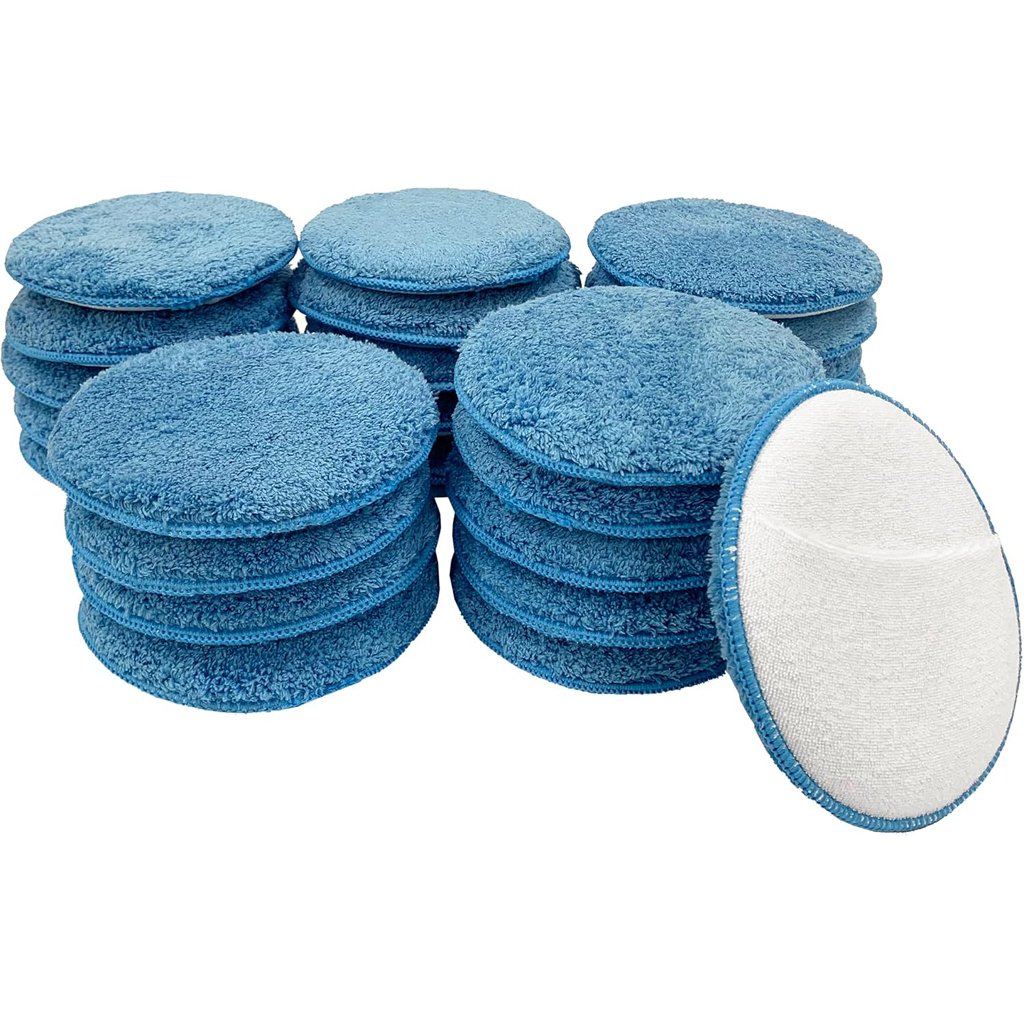
- Apply the coating using an applicator pad or sponge in crosshatch patterns (horizontal and vertical strokes) for uniform coverage.
3. Use Minimal Product
- A thin, even layer is sufficient. Over-applying the product can cause streaks, uneven curing, or wasted material.
4. Buff Immediately
- After applying the coating, wait a few seconds (as per product instructions) and use a clean, lint-free microfiber towel to buff off excess product.
- Ensure the towel is frequently rotated to a clean side during buffing to avoid smearing.
III. After Applying the Coating
1. Allow Proper Curing Time
- Let the coating cure for the recommended time (usually 12–24 hours) before exposing the car to water or driving.
- Avoid washing the car for at least 7 days to allow the coating to fully harden.
2. Inspect the Surface
- Check under bright lighting to ensure there are no high spots, streaks, or missed areas.
- If imperfections are found, use a light polish to correct them and reapply the coating if necessary.
3. Apply Additional Layers
- Some coatings require multiple layers for maximum durability. Follow the manufacturer’s guidelines regarding layering intervals.
IV. Maintenance After Coating
1. Wash Regularly
- Use pH-neutral shampoo and avoid harsh chemicals that could degrade the coating.
- Always use microfiber towels and wash mitts to prevent scratches.
2. Avoid Abrasives
- Do not polish or use abrasive cleaners on a coated surface, as they can wear down the coating.
3. Reapply Maintenance Coatings
- Use maintenance sprays or boosters every few months to rejuvenate the hydrophobic properties and shine of the coating.
4. Inspect Annually
- Check the coating’s performance periodically and reapply if water beading or gloss diminishes.
V. Common Mistakes to Avoid
- Skipping Surface Preparation
- Applying a coating on an unprepared or contaminated surface leads to poor adhesion and reduced durability.
- Over-Application
- Using too much product can cause streaking, haziness, or difficult removal.
- Ignoring Curing Conditions
- Exposure to water or extreme temperatures during curing can compromise the coating’s effectiveness.
- Neglecting Maintenance
- While coatings are durable, they require proper care to maintain their performance over time.
Conclusion
Paint coating is a long-term investment in your car’s appearance and protection. By following these precautions and steps, you can achieve a flawless application that enhances your vehicle’s gloss, durability, and resistance to environmental damage. Regular maintenance will ensure your car stays protected and looks brand new for years to come.