
Maintaining the tires and wheels is an essential part of car detailing, as they not only contribute to the vehicle’s appearance but also play a crucial role in safety and performance. Proper care ensures durability and prevents damage from road grime, brake dust, and environmental elements. Below are important points to consider when detailing tires and wheels.

I. Tire Maintenance
1. Regular Cleaning
- Importance: Tires accumulate dirt, brake dust, and grime that can deteriorate rubber over time.
- Cleaning Method:
- Use a tire-specific cleaner to remove tough grime and stains.
- Scrub with a stiff-bristle tire brush to clean the grooves and lettering.
- Rinse thoroughly with water to prevent residue build-up.
2. Tire Dressing
- Why Use It: Tire dressing enhances the tire’s appearance and provides UV protection, preventing cracking and fading.
- Application Tips:
- Choose water-based dressings for a non-greasy, natural look.
- Apply evenly with a foam applicator or microfiber cloth.
- Avoid over-applying, as excess product may sling onto the car body.
3. Tire Pressure Checks
- Safety Aspect: Incorrect tire pressure can lead to uneven wear, reduced fuel efficiency, and compromised handling.
- Frequency: Check tire pressure monthly and adjust to the manufacturer’s recommended PSI.
4. Inspect for Damage
- Regularly check tires for:
- Cracks or bulges.
- Uneven tread wear.
- Foreign objects like nails or sharp debris embedded in the tire.

II. Wheel Maintenance
1. Cleaning Wheels
- Why It’s Necessary: Brake dust, road salt, and dirt can corrode and damage wheel finishes over time.
- Cleaning Process:
- Use a wheel cleaner suitable for your wheel type (alloy, chrome, painted, etc.).
- Apply the cleaner evenly and allow it to sit for a few minutes.
- Scrub with a soft-bristle wheel brush to clean spokes, lug nuts, and inner barrels.
- Rinse thoroughly with water to remove all residue.
2. Avoid Harsh Chemicals
- Why It’s Important: Strong acids or alkaline cleaners can strip protective coatings and damage the wheel finish.
- Recommendation: Use pH-neutral wheel cleaners to ensure safe and effective cleaning.
3. Polishing and Protection
- Polishing: Use a non-abrasive polish to remove minor scratches and restore shine.
- Protection: Apply a dedicated wheel sealant or ceramic coating to protect against brake dust, road grime, and UV damage.
4. Inspect for Damage
- Regularly check for:
- Curb rash or scratches.
- Cracks or bends that may compromise safety and performance.
III. Best Practices for Tire and Wheel Maintenance
1. Clean Tires and Wheels First
- Start detailing with the tires and wheels to prevent dirt and brake dust from splattering onto a clean car body.
2. Use Separate Tools
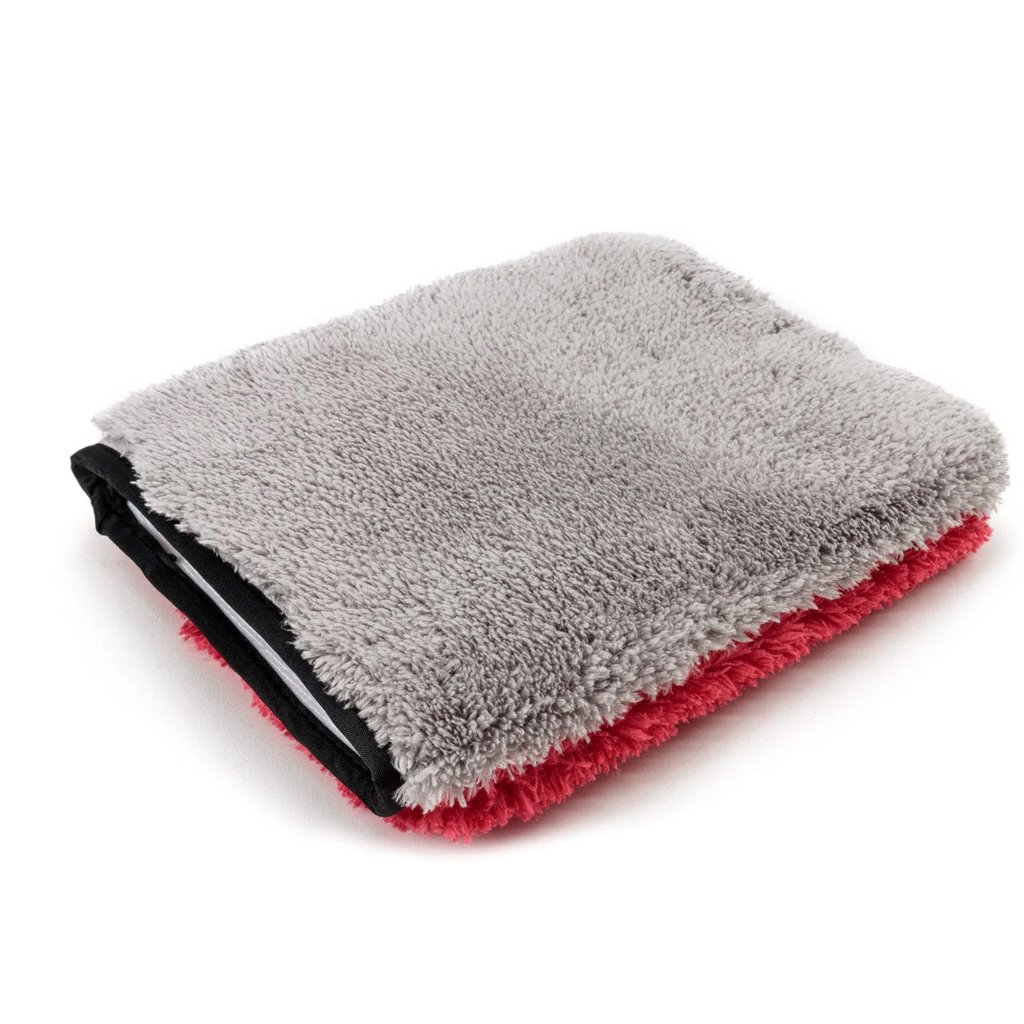
- Designate specific brushes, towels, and applicators for tires and wheels to avoid cross-contamination with the car’s paintwork.
3. Maintain Proper Cleaning Distance
- When using a pressure washer, maintain a distance of 12–18 inches to prevent damage to the wheel finish or tire sidewalls.
4. Prevent Water Spots
- After rinsing, dry the wheels and tires with a microfiber towel to avoid water spots or streaking.
5. Seasonal Maintenance
- In winter, clean and protect wheels and tires thoroughly to remove salt and prevent corrosion.
- Consider switching to winter tires if you live in areas with extreme cold or snowy conditions.
IV. Common Mistakes to Avoid
- Using Abrasive Tools: Scrubbing with harsh brushes or abrasive pads can scratch the wheel surface.
- Skipping Protection Steps: Failing to apply tire dressing or wheel sealant leaves surfaces vulnerable to UV damage and corrosion.
- Over-Applying Products: Excessive use of tire dressing can cause slinging or attract more dirt.
- Ignoring Inner Wheels: The inner barrels of wheels often accumulate the most dirt and brake dust and should not be overlooked.
- Using Household Cleaners: Products like dish soap can strip protective coatings and harm the wheel finish.
Conclusion
Proper tire and wheel maintenance not only enhances the car's appearance but also ensures safety and longevity. Regular cleaning, applying protective products, and inspecting for damage are essential steps. By following these guidelines, you can keep your tires and wheels in excellent condition, ensuring optimal performance and a polished look.