
You’ve spent time cleaning your car windows, only to find frustrating streaks. Why is this happening?
Streaky windows often result from using incorrect cleaning products or techniques, leaving residues that catch the light.
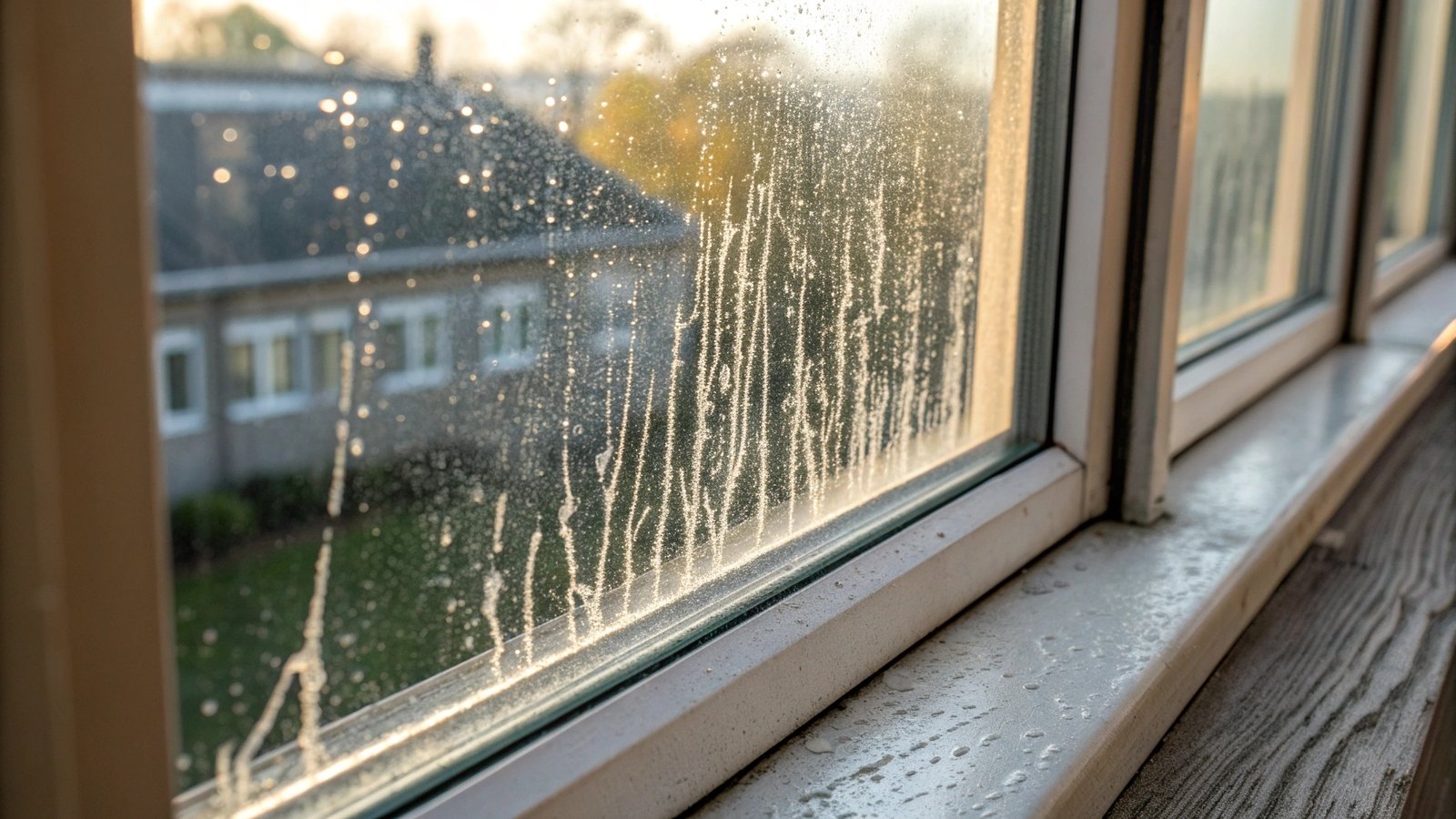
Streaks can ruin your windows' appearance. Discover how you can achieve a crystal-clear finish without the hassle.
How to get rid of streaks on the windshield after cleaning?
You've cleaned your windshield but still notice streaks. How do you remove them effectively?
To eliminate streaks, use a microfiber cloth and an ammonia-free cleaner, wiping in consistent vertical and horizontal motions.

Dive deeper
Using the appropriate tools is crucial. Microfiber cloths absorb cleaning solutions effectively without leaving lint, crucial for preventing streaks. Begin by dampening the cloth with an ammonia-free cleaner. Use vertical strokes followed by horizontal for full coverage, reducing streaks. Avoid direct sunlight during cleaning, as heat can cause rapid drying, leading to streaks. Inspect from different angles to catch any missed spots. Regular cleaning routines prevent buildup that contributes to streak formation, ensuring a consistently clear surface.
How do I stop my windows from streaking when I clean them?
Every clean should lead to clear windows. How can you prevent streaks consistently?
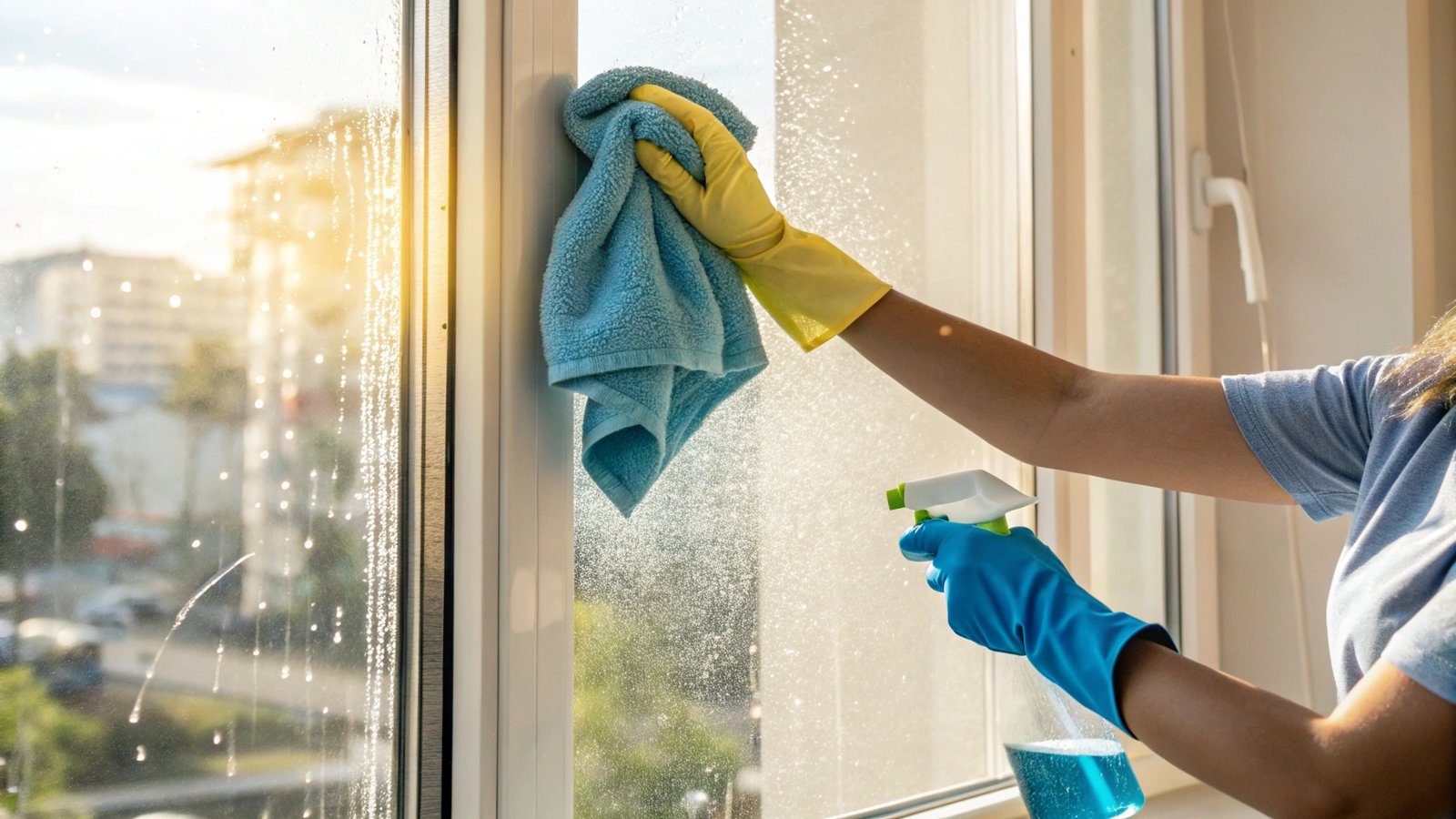
Preventing streaks involves using ammonia-free cleaners with microfiber towels and cleaning away from direct sunlight.
Dive deeper
The choice of cleaner impacts results. Ammonia-free solutions ensure no damage to tinted windows while minimizing streaks. Microfiber towels are preferred for their ability to hold moisture and avoid lint. Cleaning in the shade prevents rapid drying that causes streaks. Opt for back-and-forth motions, switching between vertical and horizontal for coverage. If stubborn streaks remain, a final polish with a dry microfiber cloth enhances clarity. Routine cleaning prevents dirt and grime buildup, key factors in streak prevention, ensuring windows stay spotless.
How to get rid of cloudy windows after cleaning?
Cloudy windows can be perplexing. How do you restore their clarity?
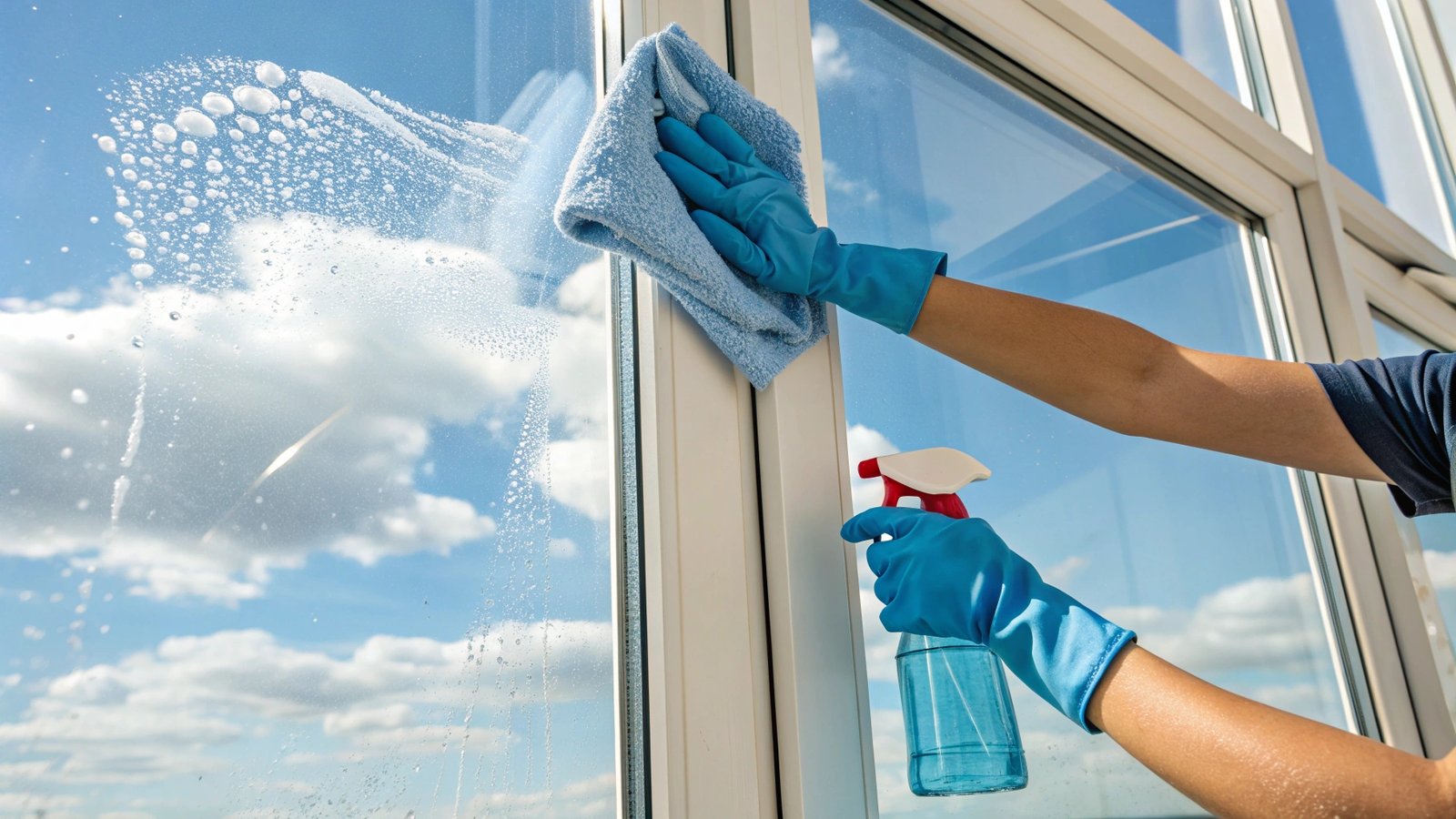
To clear cloudy windows, use a specialized glass cleaner and a clean microfiber cloth, ensuring gentle, thorough cleaning.
Dive deeper
Cloudiness often results from inadequate rinsing or residue from cleaning products. Start with a clean microfiber cloth and a dedicated glass cleaner. Apply the cleaner to the cloth to avoid excess moisture on the glass. Circular motions help remove cloudy residues effectively. Inspect the windows from different angles for overlooked spots or smudges. If residue persists, consider using distilled water with vinegar as an alternative cleaner. Ensuring complete drying avoids moisture trapping that leads to cloudiness. Regular care maintains clarity and prevents recurring issues.
How do you get rid of haze on the inside of a windshield?
A hazy windshield can impair visibility. What's the best way to eliminate it?
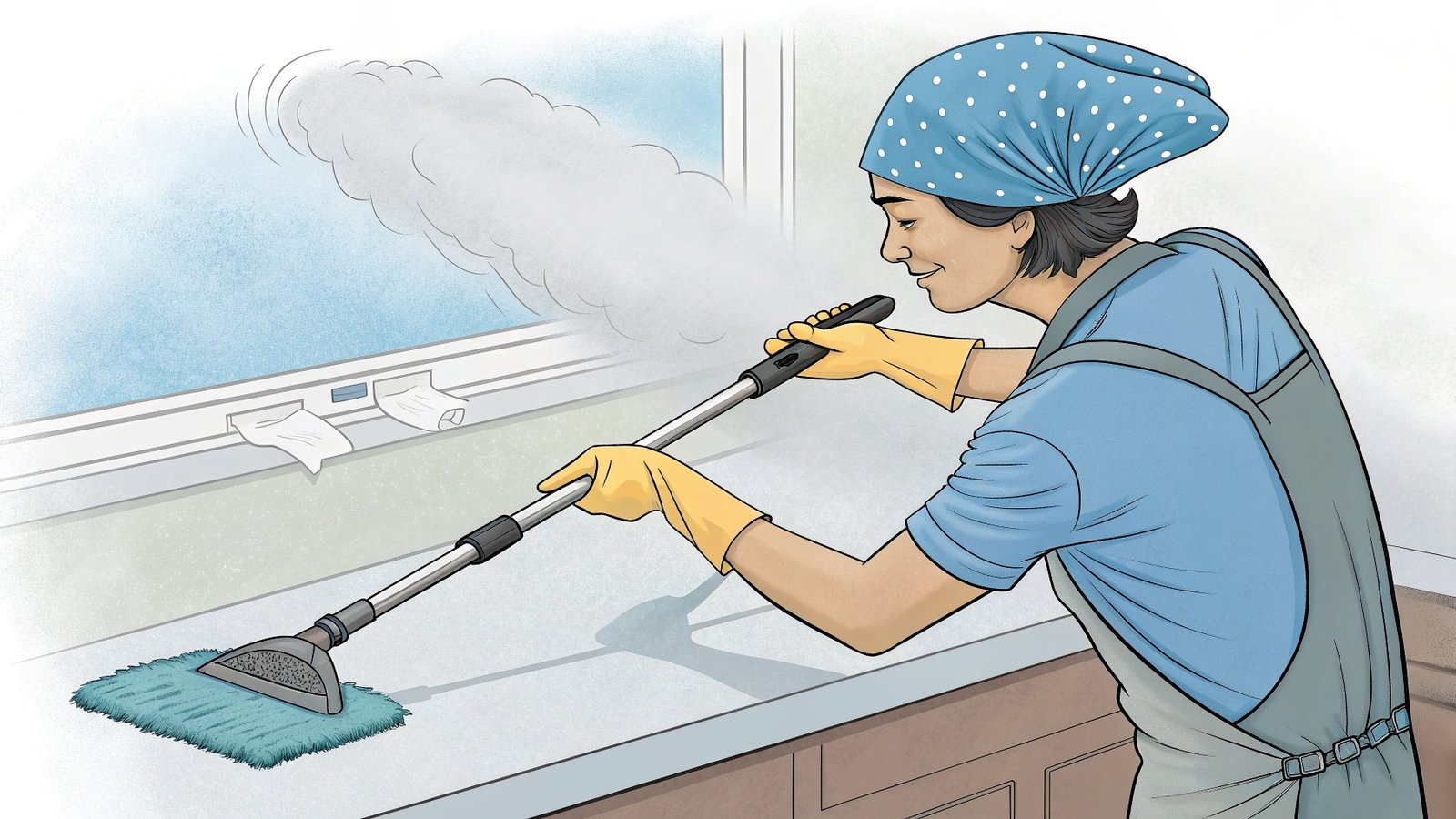
To remove haze, use a reach-and-clean tool with an ammonia-free cleaner and a microfiber bonnet, ensuring comprehensive cleaning.
Dive deeper
Haze forms from condensation and residues accumulating internally. Employ a reach-and-clean tool to access tight corners effortlessly. Using ammonia-free cleaner ensures no tint damage, crucial for interior glass care. Circular motions lift haze effectively without streaking. For persistent haze, a clay bar may prove useful, gently removing deeply rooted residues. Dry thoroughly using a microfiber cloth, emphasizing ventilation for moisture prevention. Routine cleaning paired with anti-fog spray application maintains visibility, guaranteeing a safe and pleasant driving experience.
Conclusion
By using the right products and methods, you can enjoy streak-free, clear car windows, enhancing both safety and aesthetics consistently.