Skip to content
Seeing swirl marks appear after every car wash? Your washing tools might be the hidden culprit damaging your paintwork.
Most brushes trap dirt and scrub it across the paint surface, creating micro-scratches that dull the finish over time - even when they feel soft to the touch.
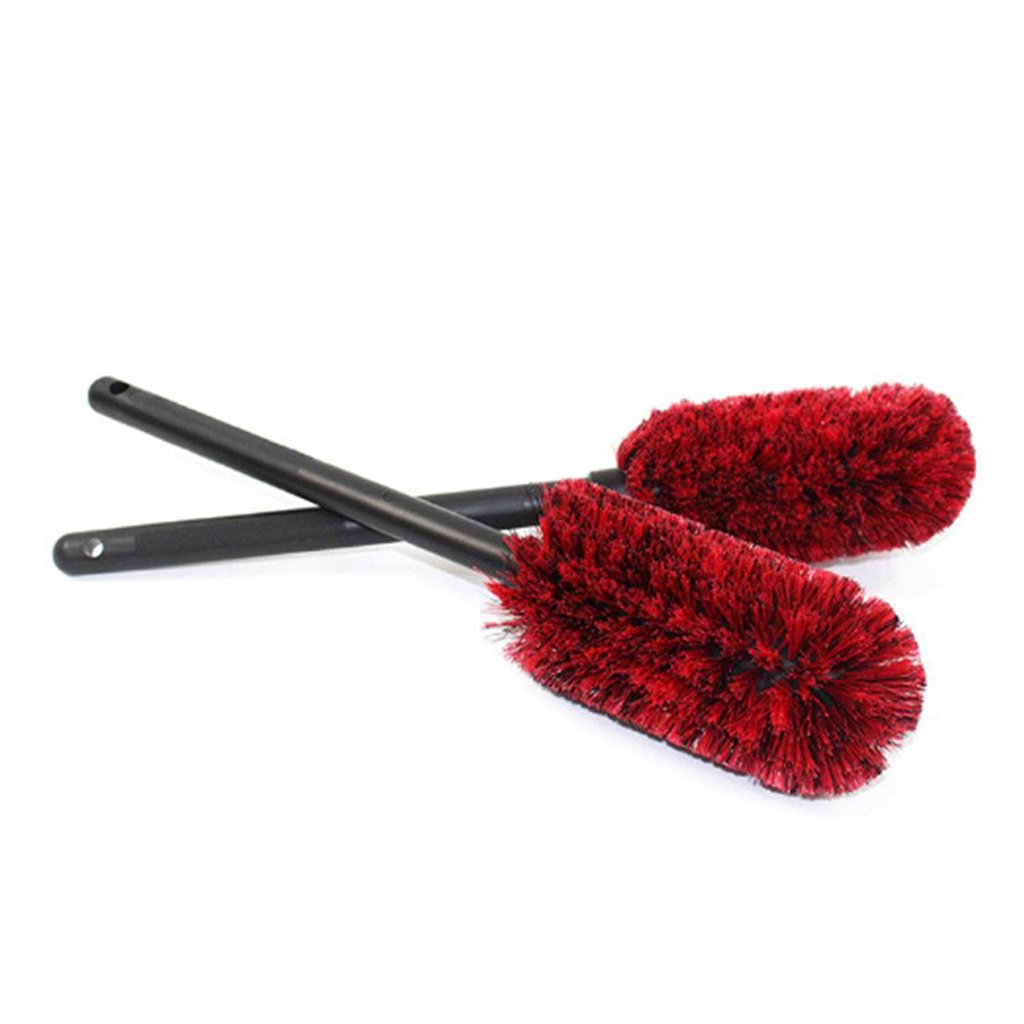
Professional detailers recommend alternative methods for preserving your vehicle's gloss and preventing permanent paint damage.
What brush can I use to wash my car?
Not all brushes are created equal when it comes to safe car washing. Some specialized brushes may be acceptable in limited circumstances.
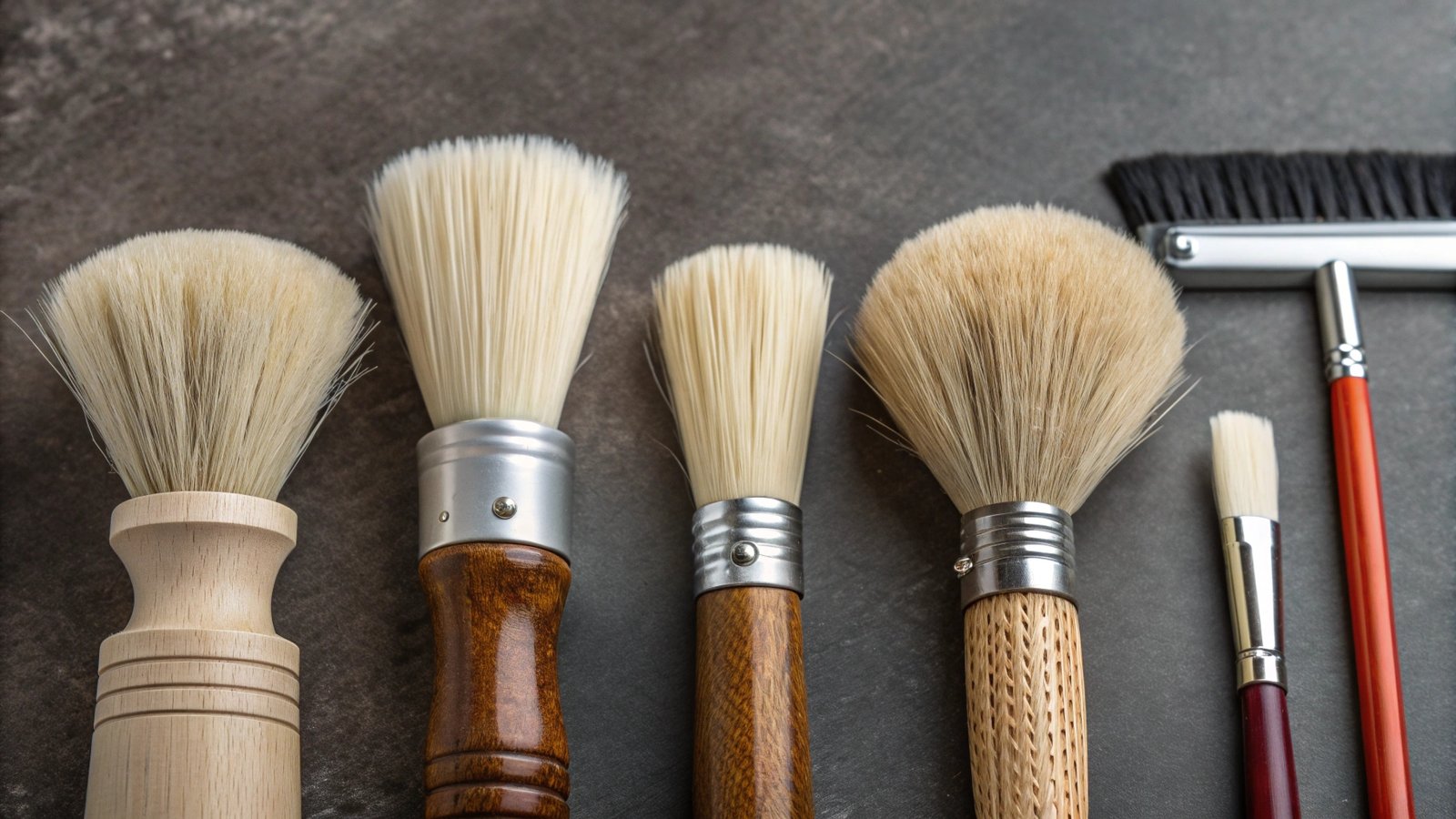
Safer brush options (when absolutely needed):
- Sheepskin head brushes
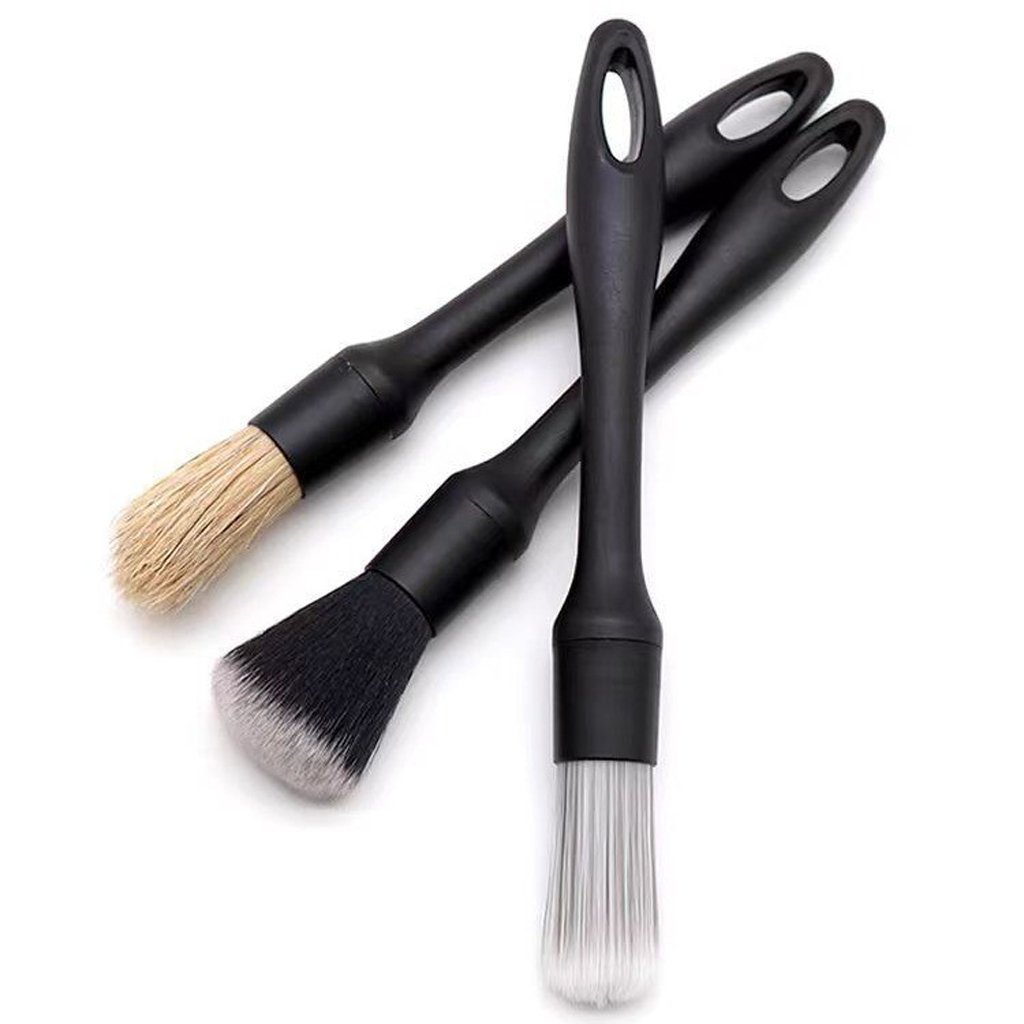
- Synthetic fiber detailing brushes
- Wheel-cleaning specific brushes
- Boar's hair brushes
- Foam head brushes
| Brush Type | Safe for Paint? | Best Use | Risk Level |
|---|---|---|---|
| Sheepskin | Yes | Light dirt | Low |
| Boar Hair | Yes | Final rinse | Medium |
| Foam Head | Maybe | Rinseless wash | Medium |
| Nylon Bristle | No | Wheels only | High |
| Chenille | With care | Body panels | Medium-High |
Important: Always test brushes on inconspicuous areas first.
Will car wash brushes scratch the car?
The truth about brush-related paint damage might surprise you - it's not just about how soft the bristles feel.
How brushes cause scratches:
- Trap microscopic dirt particles
- Bend and flex during use
- Create tiny circular motions
- Wear down protective coatings
- Leave micro-marring over time
Paint Damage Progression:
| Wash Method | Immediate Effect | After 1 Year | After 3 Years |
|---|---|---|---|
| Quality Mitt | Minimal marks | Few swirls | Some light swirls |
| Cheap Brush | Visible marks | Many swirls | Dull finish |
| Touchless | No marks | No swirls | Still pristine |
Pro Tip: Use the two-bucket method to minimize contamination.
Is it safe to wash a car with a brush?
While brushes offer convenience, their safety depends entirely on the type of brush and your washing technique.
Safer alternatives to traditional brushes:
- Microfiber wash mitts
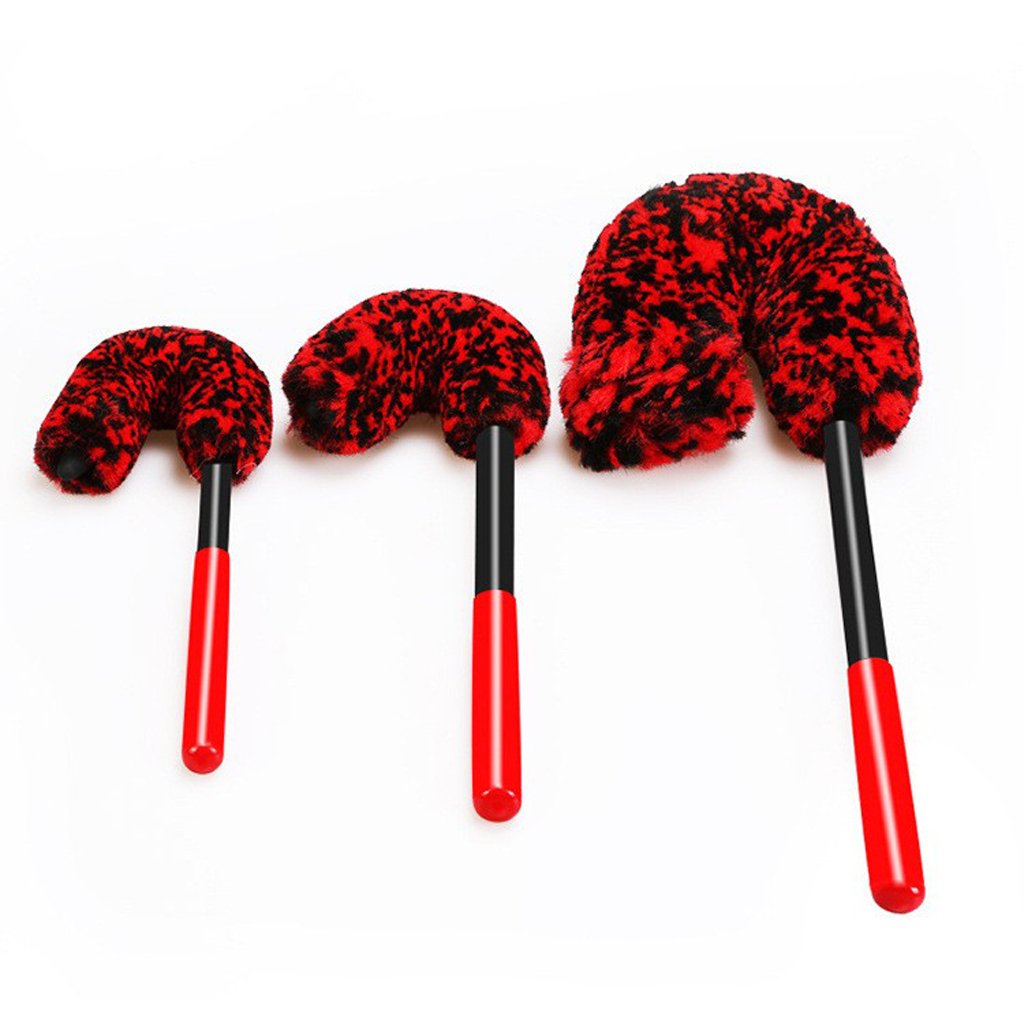
- Merino wool mitts
- Microfiber chenille pads
- Rinseless wash systems
- Foam cannon setups

Safety Comparison:
| Tool | Paint Safety | Dirt Release | Longevity |
|---|---|---|---|
| Microfiber Mitt | Excellent | Great | 50+ washes |
| Chenille Pad | Very Good | Good | 30+ washes |
| Sheepskin | Good | Fair | 20+ washes |
| Boar's Hair | Fair | Poor | 15+ washes |
| Nylon Brush | Poor | Terrible | Indefinite |
Critical: Avoid brushes with stiff plastic bristles.
Is brush good for washing cars or mitts?
The debate between brushes and mitts comes down to paint protection versus convenience.
Key differences:
- Mitts conform to contours
- Brushes reach difficult areas
- Mitts release dirt better
- Brushes require less bending
- Mitts protect clear coat better
Performance Factors:
| Factor | Mitt Advantage | Brush Advantage |
|---|---|---|
| Safety | Better | Poor |
| Convenience | Good | Better |
| Versatility | Good | Better |
| Dirt Removal | Better | Good |
| Cost | Comparable | Comparable |
Best Practice: Use mitts for most washing with detail brushes only for grilles/wheels.
Conclusion
While some specialized brushes may work for certain applications, microfiber mitts remain the safest choice for preserving your car's paint finish during washing.