
You pull out your microfiber towel only to find it's covered in lint and particles. Instead of cleaning surfaces, it's spreading debris everywhere.
Remove debris from microfiber towels by shaking vigorously outdoors, using lint rollers, or washing with vinegar. Proper pre-treatment prevents damage to both towels and surfaces.

Effective debris removal preserves microfiber's cleaning power. Follow these professional techniques for particle-free results.
How to get particles out of microfiber?
Surface particles cling stubbornly to microfiber's electrostatic fibers. Special removal techniques work better than regular washing.
Use compressed air, sticky lint rollers, or tape to lift particles before washing. Always remove dry debris separately from wet cleaning.
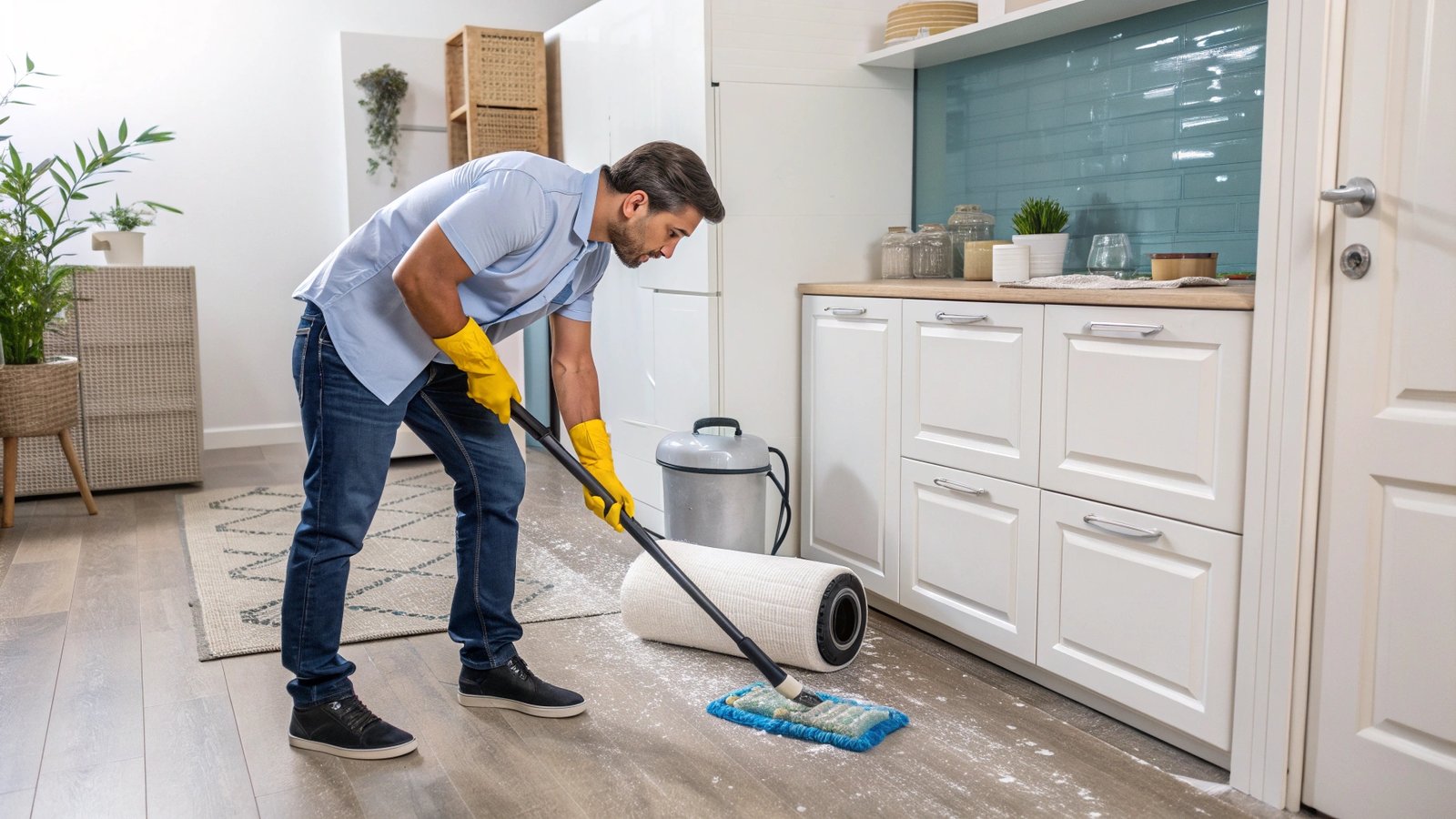
Particle removal toolbox:
-
Dry Methods:
- Outdoor shaking
- Compressed air
- Lint roller
-
Wet Methods:
- Pre-soak in warm water
- Vinegar rinse cycle
- Spot cleaning
-
Specialty Tools:
- Microfiber cleaning brushes
- Velcro hair removers
- Tape rollers
Pro tip: Keep dedicated microfiber towels separate from household laundry to avoid lint contamination.
How to clean really dirty microfiber towels?
Heavily soiled microfiber requires more aggressive cleaning while preserving fiber integrity. Skip harsh chemicals that degrade performance.
Pre-soak greasy microfiber in hot water with degreaser before washing. Use microfiber-specific detergent and an extra rinse cycle.
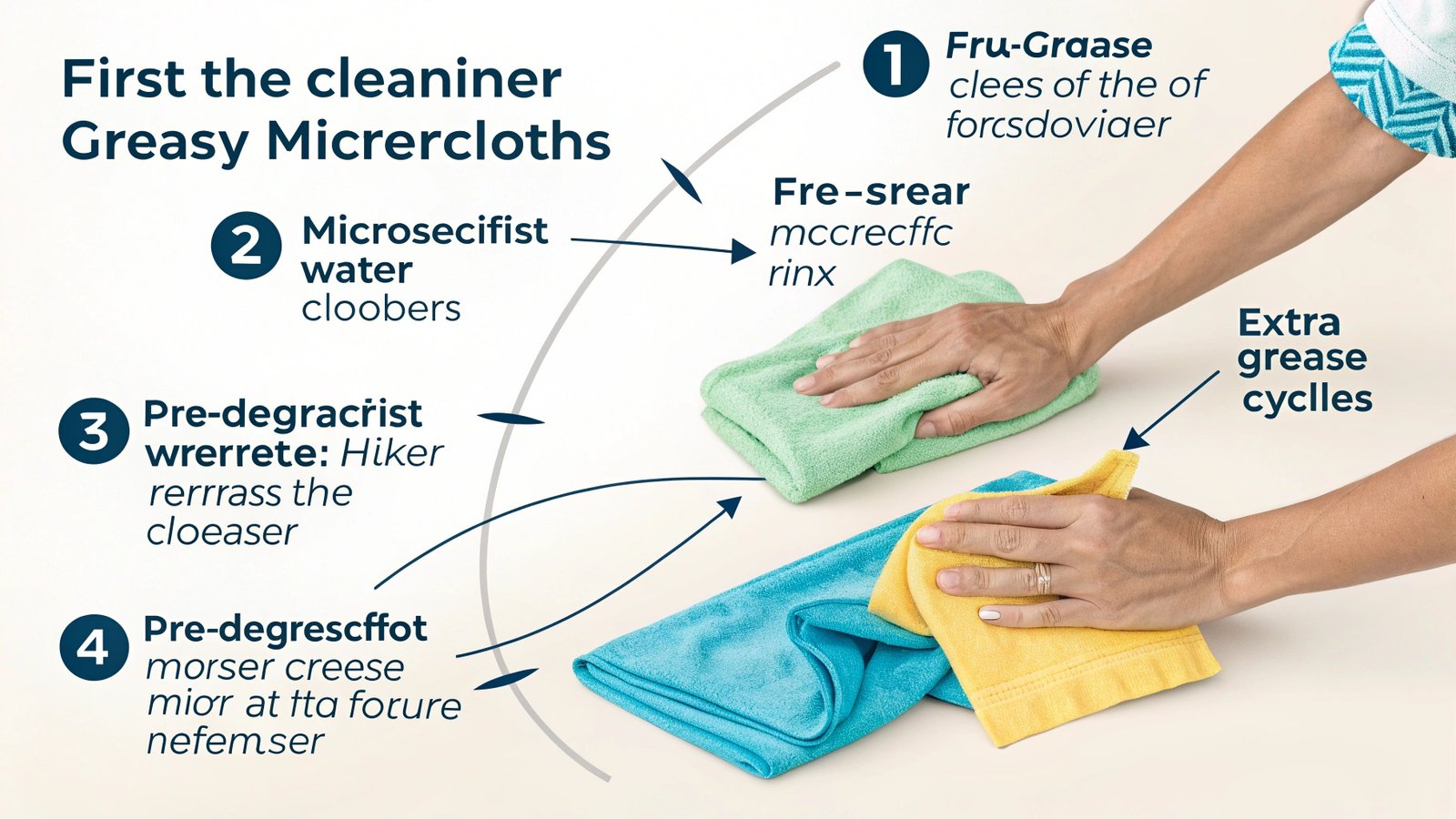
Deep cleaning protocol:
-
Preparation:
- Knock off dry debris
- Separate by contaminant type
- Pre-treat stains
-
Cleaning:
- Hot water soak (140°F max)
- Degreasing detergent
- Extended wash cycle
-
Restoration:
- Vinegar rinse
- Multiple spin cycles
- Air drying
Our tests show proper deep cleaning restores 90% of "ruined" microfiber towels most users discard prematurely.
How to get lint and hair off microfiber towels?
Microfiber's electrostatic nature attracts hair and lint. Regular fabric shavers don't work well on microfiber's unique texture.
Remove hair and lint with rubber gloves, velcro rollers, or specialized microfiber brushes. Avoid typical lint removal methods that damage fibers.
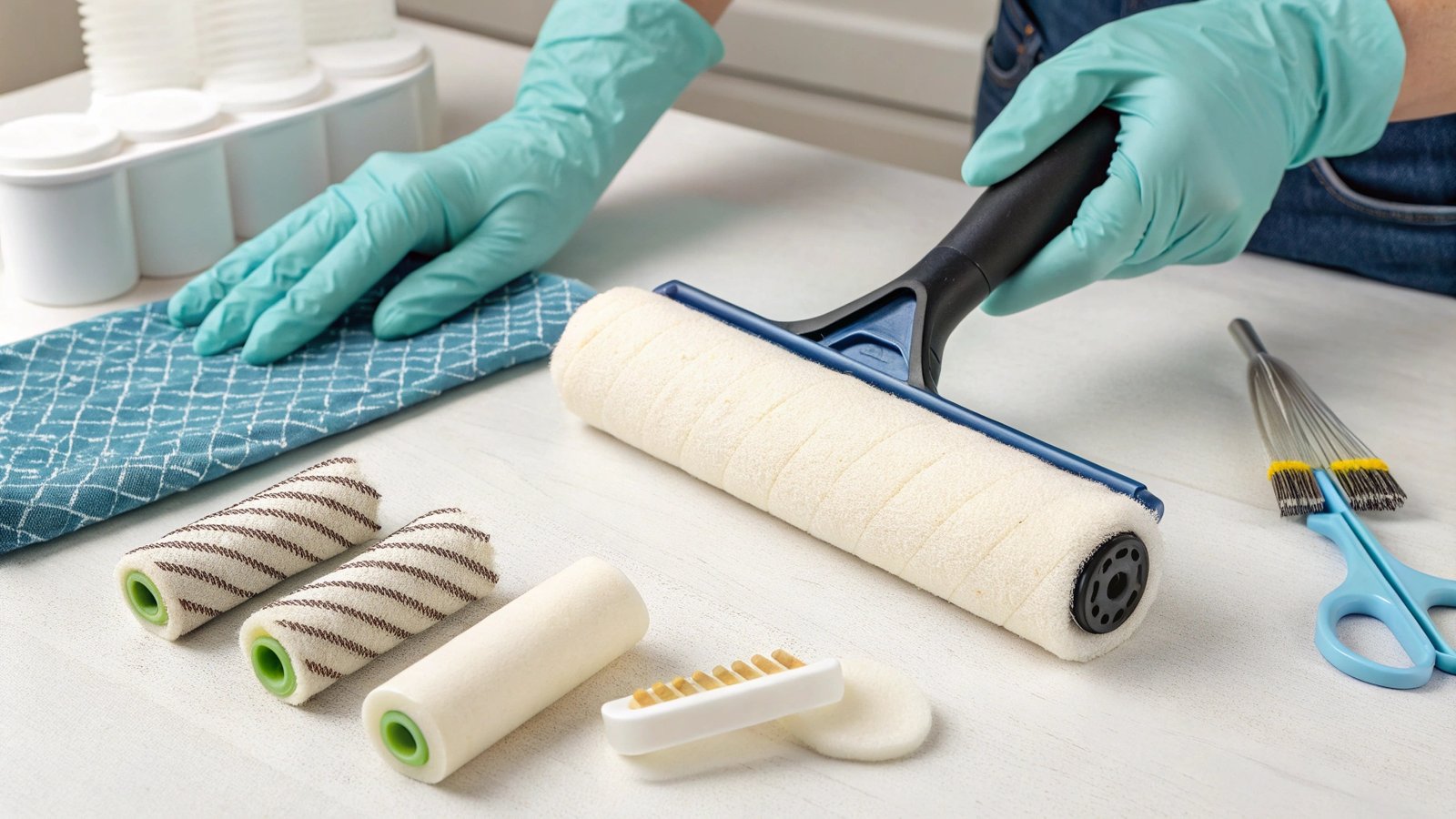
Effective removal methods:
| Method | Best For | Effectiveness |
|---|---|---|
| Rubber gloves | Pet hair | ★★★★★ |
| Velcro roller | Lint | ★★★★☆ |
| Microfiber brush | Embedded fibers | ★★★☆☆ |
| Tape | Surface debris | ★★☆☆☆ |
Washing tip: Add white vinegar to rinse cycle to reduce static cling that attracts lint.
Why do my microfiber towels leave lint?
New microfiber shouldn't lint significantly. Excessive linting indicates quality issues, improper care, or contamination.
Microfiber leaves lint when mixed with cotton fibers, damaged from heat/chemicals, or loaded with fabric softener residue. Poor quality microfiber lint excessively from production.

Common lint causes:
-
Cross-Contamination:
- Washing with cotton
- Using dryer sheets
- Shared lint traps
-
Damage Causes:
- High-heat drying
- Bleach use
- Abrasive washing
-
Quality Issues:
- Low-grade materials
- Synthetic blends
- Manufacturing defects
Factory secret: Our premium microfiber undergoes 12 quality checks to ensure minimal linting through hundreds of washes.
Conclusion
Maintain lint-free microfiber performance through proper debris removal, dedicated washing, appropriate tools, and quality materials. Well-cared microfiber towels stay effective longer.